
By Vlad Savchuk | March 23, 2026 | 8 minutes
Understanding the Book of Revelation
The Book of Revelation Is About Jesus, Not Fear
Understanding the book of Revelation can feel overwhelming for many believers. Some avoid it because it seems confusing, while others dive into it trying to decode every symbol and timeline. But Revelation was not written to create fear or speculation. It was written to reveal Jesus and strengthen His church.
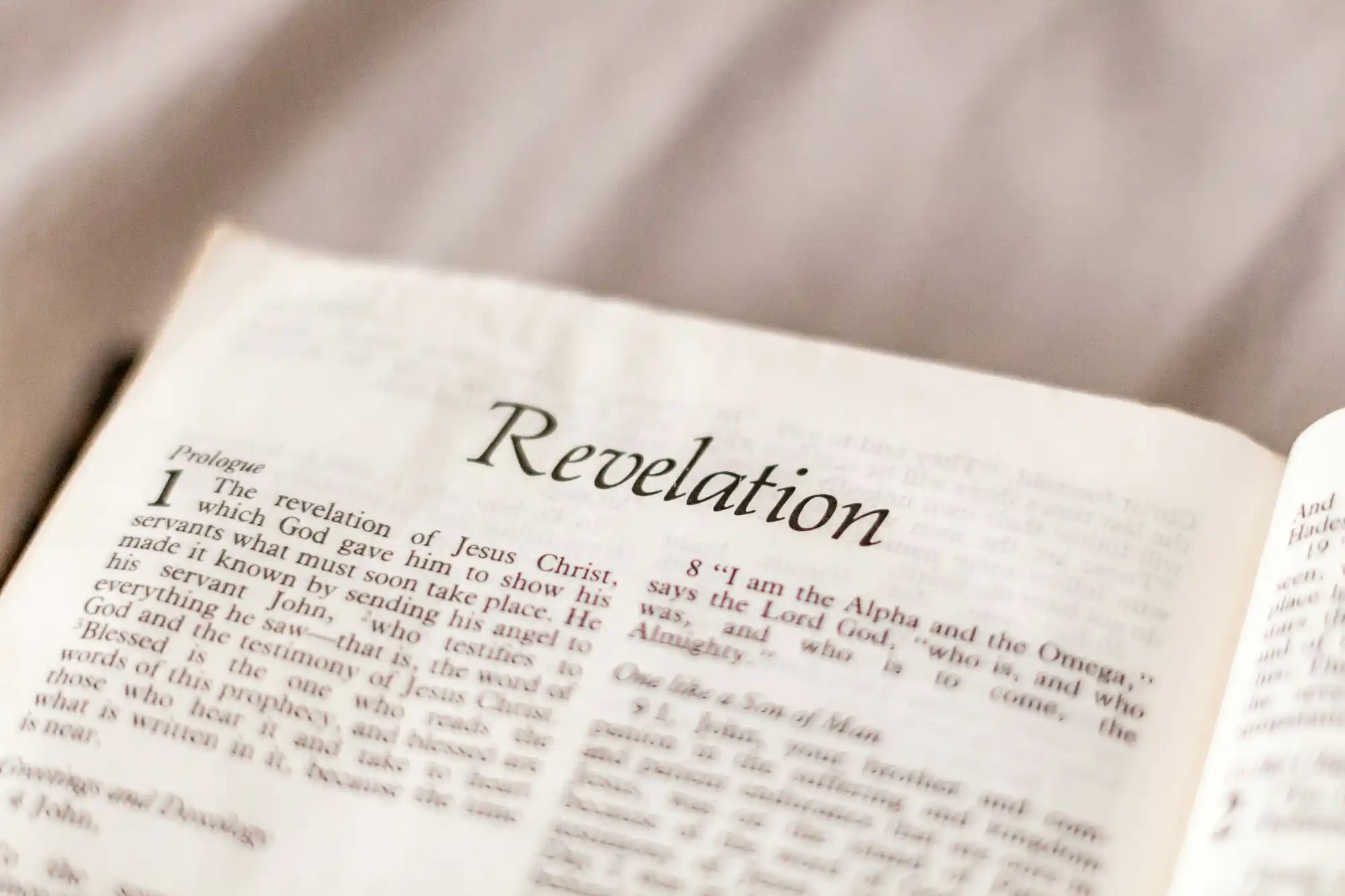
Right at the beginning, in Revelation 1:3, God gives us a promise. He says that the one who reads the words of this prophecy aloud is blessed, and those who hear it and take it to heart are blessed as well. That means this book is not a curse. It is not a trap. It is a blessing. When we approach it with humility and faith, it strengthens us instead of scaring us.
Before we jump into beasts and bowls and dragons, it helps to understand how Christians have approached this book throughout history.
How Christians Have Understood Revelation
Not every believer reads Revelation the same way, and that is okay. It is a complex book filled with imagery and symbolism. Throughout church history, four main approaches have developed.
Some hold what is called the preterist view. They believe most of the events described in Revelation were fulfilled in the first century, especially around the fall of Jerusalem in 70 AD and the persecution under the Roman Empire. For them, Revelation is largely about what happened to the early church.
Others take the historicist view. They see Revelation as a sweeping timeline of church history, where different symbols represent different eras, from the apostles through the Reformation and beyond.
Then there is the futurist view, which I personally hold. This perspective understands much of Revelation, particularly chapters 4 through 22, as describing events that are still to come. It includes the tribulation, the return of Christ, and the final judgment. In this view, Revelation points us forward to the climax of history.
Finally, there is the symbolic or idealist view. This approach reads Revelation as a timeless portrayal of the spiritual battle between good and evil, not necessarily tied to specific historical events but revealing spiritual realities that unfold in every generation.
Understanding these perspectives does not mean we must agree on every detail, but it helps us read Revelation with humility instead of arrogance.
Why the Early Church Read It Differently
If we look at the early church, we see something important. The first Christians lived under Roman rule. They were persecuted, marginalized, and often killed for their faith. When they read Revelation, they read it with longing. They expected Jesus to return visibly, overthrow evil, and establish His kingdom on earth. For them, this was not theory. It was hope.
Many early church fathers embraced what we would call a premillennial view. They believed the church would endure suffering and then Christ would reign.
But as history shifted, so did interpretation. In the fourth century, Christianity was legalized under Constantine and eventually became the official religion of the empire. The church moved from persecution to political influence. When believers were no longer hiding in catacombs but walking in palaces, the urgency of Christ’s future reign felt different.
At the same time, Greek philosophy influenced theological thinking. Some church leaders began to favor allegorical readings over literal expectations. Augustine, one of the most influential theologians in church history, taught that the thousand years in Revelation 20 symbolized the present church age, with Christ reigning spiritually from heaven.
This shift was shaped by history, politics, and philosophy. When you understand that, you begin to see why interpretations developed the way they did.
Revelation Is Not a Straight Timeline
One of the biggest mistakes people make is reading Revelation like it is a step by step chronological sequence. As if chapter four happens, then five, then six, and so on, in a simple straight line.
Revelation does not move like a timeline. It moves more like a spiral.
John often revisits the same climactic events from different angles. The seals, the trumpets, and the bowls all describe scenes that sound like the end of the world. The sun darkens, the earth shakes, people hide in fear, judgment falls. Yet these scenes appear in different sections of the book.
Instead of progressing forward each time, John circles back and adds new layers. It is like watching the same moment from multiple camera angles. The final judgment appears more than once. The collapse of evil is described from different perspectives.
When we understand this, we stop trying to force Revelation into a rigid timeline and start seeing the bigger picture. The focus is not predicting the exact order of events. The focus is being ready to overcome when those events unfold.
Revelation Is a Book of Contrasts
Another key to reading Revelation well is paying attention to its contrasts. John constantly sets two realities side by side.
We see the Lamb and the Beast. The Bride and the Prostitute. The Holy City and Babylon. The Seal of God and the Mark of the Beast. True worship and false worship. The throne of God and the counterfeit authority of Satan.
These images are not random. They reveal the spiritual battle behind human history. Revelation is not merely about future disasters. It is about allegiance. It quietly asks each reader a personal question. Whose side are you on?
The mark of the Beast often gets all the attention, but Revelation first shows us the seal of God. Before counterfeit power rises, true authority is already present. Before deception spreads, truth is proclaimed.
The book pulls back the curtain and shows us the deeper conflict between Christ and the spirit of antichrist. It calls us to choose faithfulness in the middle of pressure.
You Must Read Revelation Through the Old Testament
Revelation alludes to the Old Testament more than any other New Testament book. John is not inventing new imagery. He is drawing from Exodus, Daniel, Ezekiel, Isaiah, the Psalms, and Genesis.
The plagues mirror Egypt. The beasts echo Daniel’s visions of empires. The throne room reflects Ezekiel’s encounter with the glory of God. The river and the tree of life bring us back to Eden.
Revelation is not a detached mystery. It is the continuation of God’s story. If we ignore the Old Testament, we will misunderstand much of what John is describing. The symbols are not meant to confuse us. They are meant to connect us to the larger narrative of redemption.
When you see an image in Revelation, pause and ask yourself where you have seen it before in Scripture. More often than not, the answer is found in the Hebrew Scriptures.
Keep the Ending in View
Revelation does not end with beasts or battles. It ends with a wedding and a city filled with light.
It is easy to become preoccupied with speculation about the antichrist, tribulation charts, or political theories. But the heartbeat of Revelation is this: Jesus wins, and His people share in His victory.
The final chapters mirror the beginning of the Bible. Genesis opens with the beauty of creation, while Revelation reveals the glory of a new creation. Human history begins with a marriage in Eden, and it culminates in the marriage supper of the Lamb. Through Adam’s fall, death entered the world, but in the closing pages of Revelation, death is swallowed up forever.
The Bible begins with paradise lost and ends with paradise restored.
When you read Revelation, let the last two chapters shape your imagination more than the middle chapters shape your fear. Fix your eyes not only on what is coming, but on who is coming.
Revelation was given to fortify the church, not to frighten it. Throughout its pages, we are invited into endurance, holiness, and unwavering devotion to Jesus. Far from portraying a world spinning into chaos, it assures us that history is steadily advancing toward a throne.
And at that throne stands the Lamb who was slain, who now reigns forever.
If this stirred your heart and you want to go deeper, I created a course called The End Times. In this course, we walk through the foundational truths about the last days and, more importantly, how to prepare your life spiritually for what’s ahead.
Watch Video
